

AI is quietly (and sometimes loudly) reshaping the legal profession—from grunt work automation to strategy-level insights. Think of it as the world’s most overqualified paralegal… that never sleeps, never bills hourly, and doesn’t complain about document review.
Here’s a structured, real-world breakdown with case studies and sources so you can see how it’s actually being used—not just hyped.
⚖️ 1. Document Review & eDiscovery (The OG AI Use Case)


What AI does:
- Scans millions of documents (emails, contracts, PDFs)
- Identifies relevant evidence using predictive coding
- Flags privileged/confidential info
Case Study:
- JPMorgan Chase + COIN
- Automated review of commercial loan agreements
- Reduced ~360,000 hours of lawyer work annually to seconds
- Source: JPMorgan internal reports cited in legal tech literature
- Relativity (eDiscovery platform)
- Used in major litigation worldwide
- Courts have accepted predictive coding as valid (e.g., Da Silva Moore v. Publicis Groupe)
Why it matters:
👉 Cuts costs massively
👉 Improves accuracy vs human fatigue errors
📑 2. Contract Analysis & Due Diligence
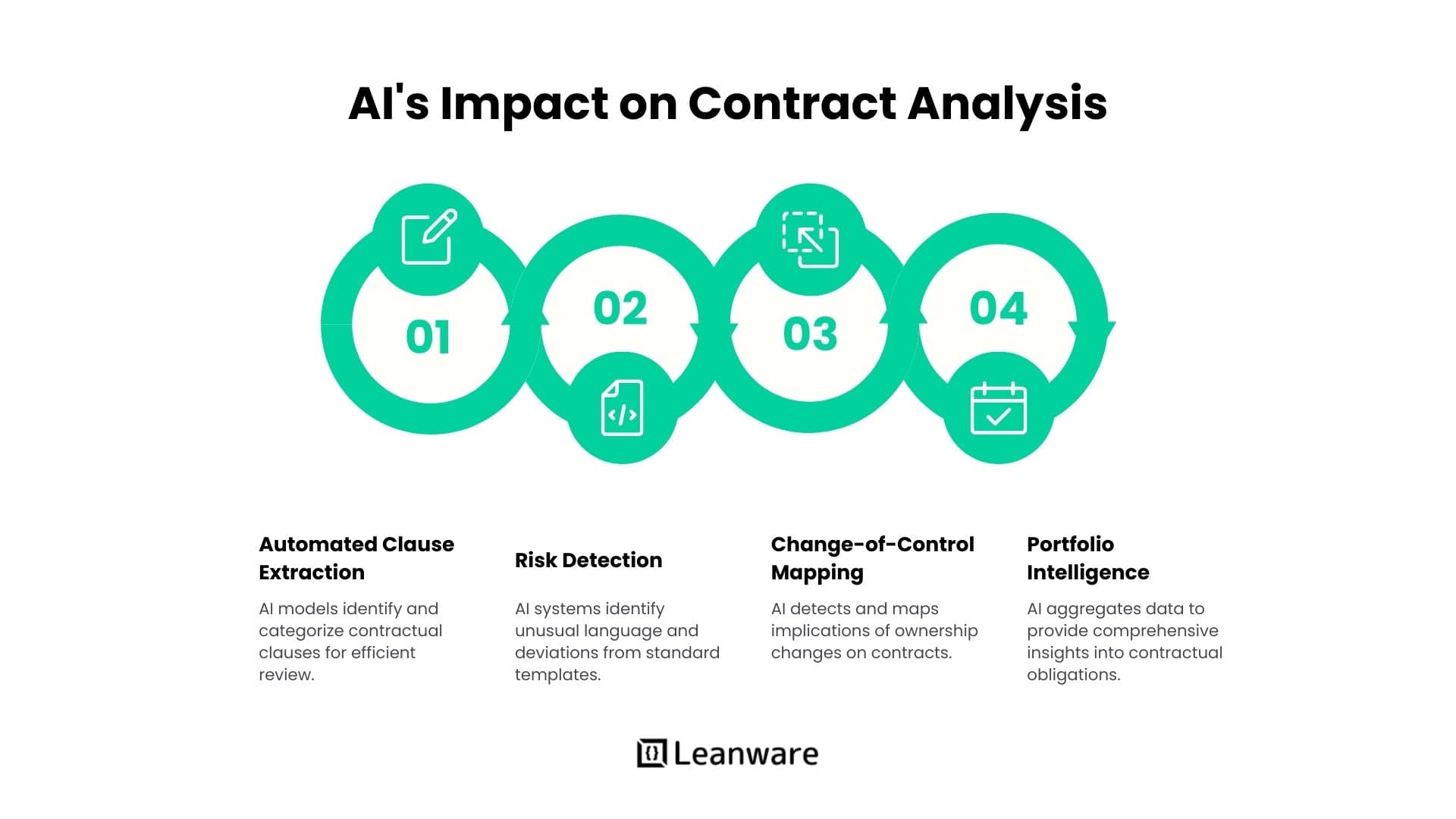
What AI does:
- Extracts clauses (termination, liability, indemnity)
- Compares against standard templates
- Flags risks instantly
Case Study:
- LawGeex vs human lawyers
- AI achieved 94% accuracy, lawyers averaged 85%
- AI completed review in 26 seconds vs 92 minutes
- Source: LawGeex benchmark study (2018)
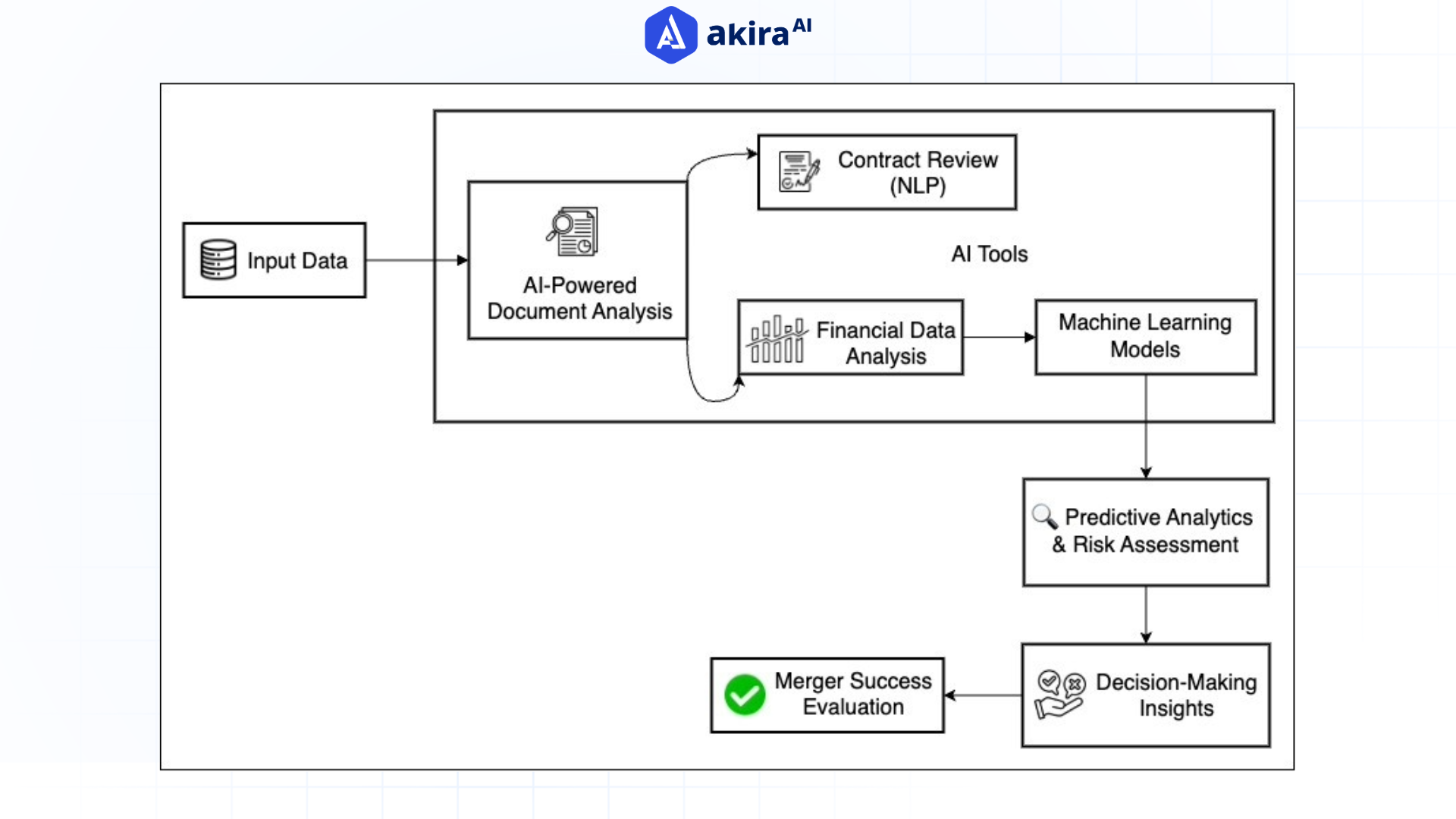
- Kira Systems
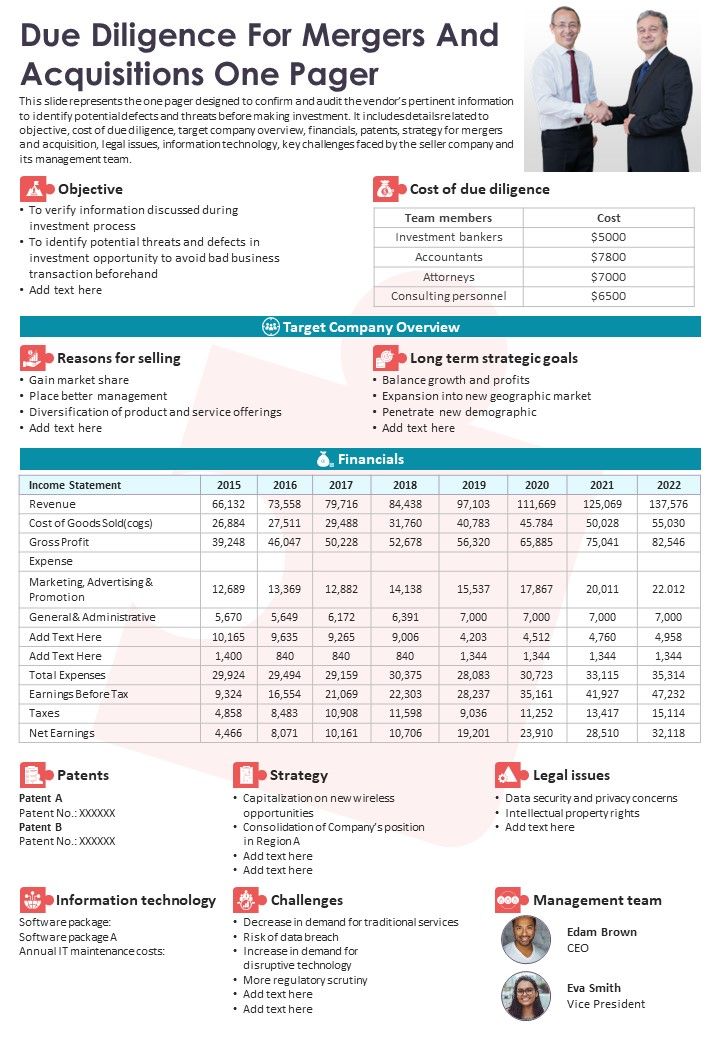
- Used in M&A due diligence by firms like Deloitte
- Extracts key provisions across thousands of contracts
Why it matters:
👉 Faster deal-making
👉 Less risk of missing critical clauses
⚖️ 3. Legal Research (Goodbye endless casebooks)

What AI does:
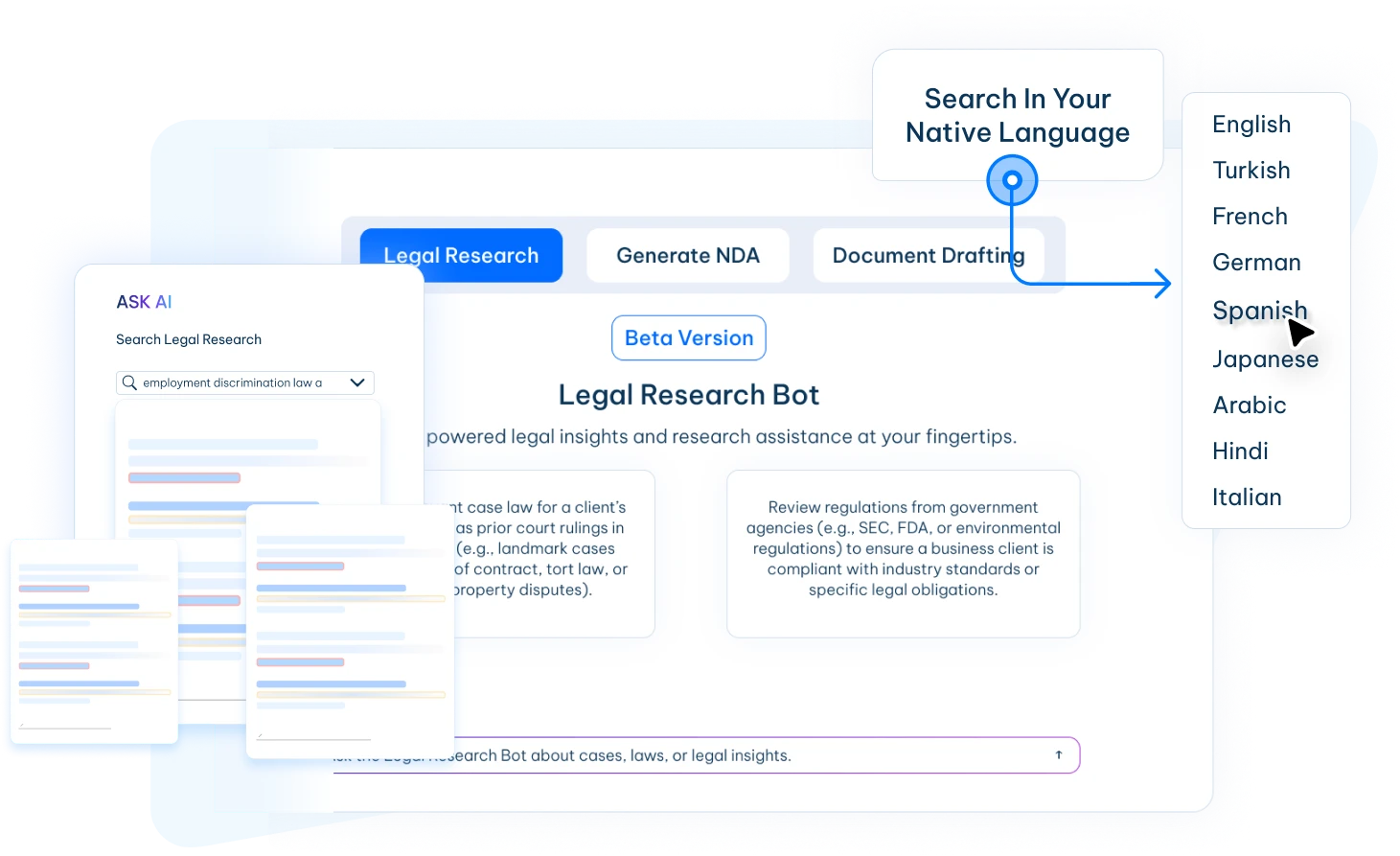
- Understands natural language queries
- Finds relevant case law instantly
- Predicts how courts might rule
Case Study:
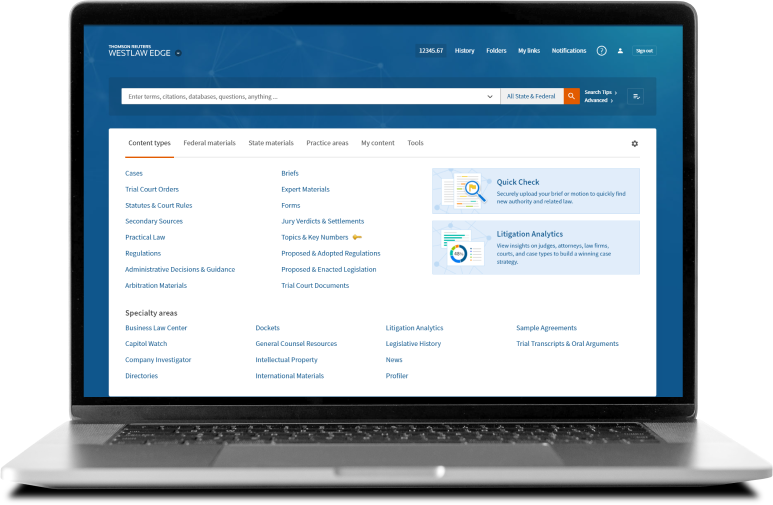
- Westlaw Edge
- Uses AI for “KeyCite” and litigation analytics
- Helps predict judge behavior and case outcomes
- Lexis+ AI
- Drafts legal arguments and summarizes cases
- Built on proprietary legal databases
Why it matters:
👉 Saves hours (or days) of research
👉 Gives strategic insights, not just raw cases
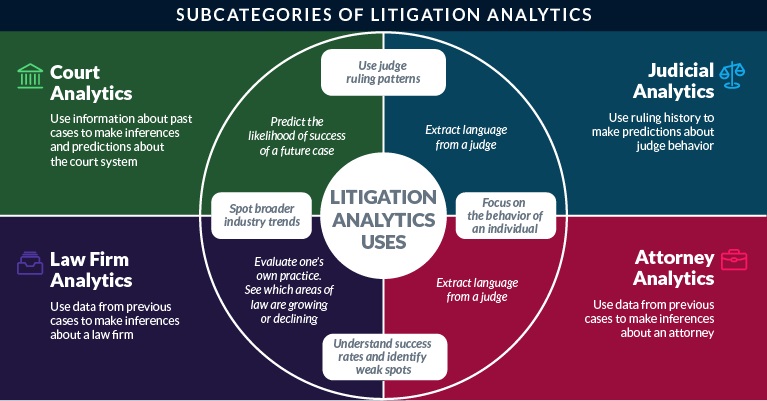
🧠 4. Predictive Analytics (Yes, AI guesses case outcomes)

What AI does:
- Analyzes historical rulings
- Predicts:
- Case outcomes
- Settlement likelihood
- Judge tendencies
Case Study:
- Study by University College London + University of Sheffield
- AI predicted European Court of Human Rights decisions with ~79% accuracy
- Source: Katz et al., peer-reviewed research
- Premonition
- Markets itself as “the world’s largest litigation database”
- Tracks which lawyers win before specific judges
Why it matters:
👉 Data-driven legal strategy
👉 Better settlement decisions
✍️ 5. Drafting Legal Documents (Enter Generative AI)


What AI does:
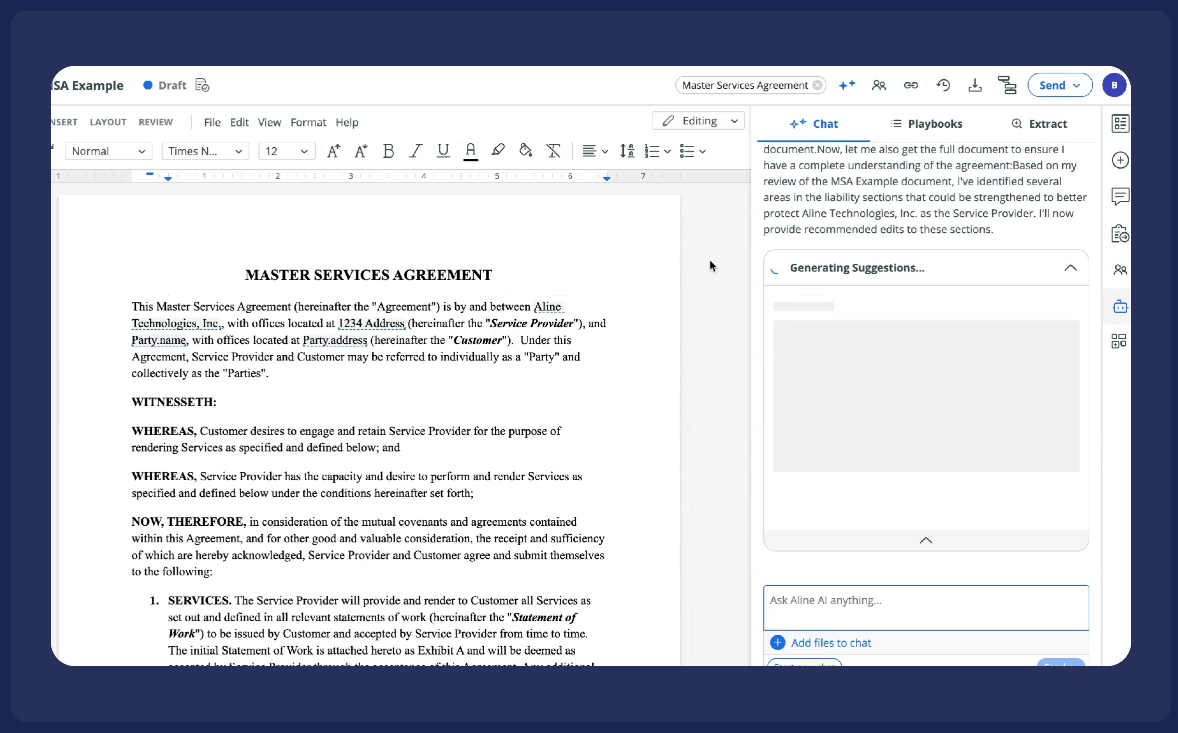
- Drafts:
- Contracts
- Briefs
- Motions
- Suggests edits and improvements
Case Study:
- Allen & Overy
- Deployed AI assistant “Harvey” (built on OpenAI tech)
- Used for contract drafting and client work
- Cautionary Case:
- Lawyers sanctioned in Mata v. Avianca (2023)
- Used AI-generated fake citations
- Source: U.S. federal court ruling
Why it matters:
👉 Massive productivity boost
👉 But requires human verification (no “hallucinated law,” please)
⚖️ 6. Access to Justice (AI for the public)


What AI does:
- Helps non-lawyers:
- Fight parking tickets
- File small claims
- Understand rights
Case Study:
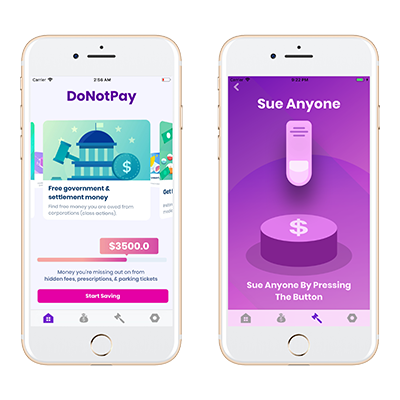
- DoNotPay
- Helped overturn thousands of parking tickets
- Expanded into consumer rights automation
Why it matters:
👉 Makes legal help accessible
👉 Reduces cost barriers
🚨 Challenges & Risks (a.k.a. “Not Ready to Fire All Lawyers Yet”)
- Bias in training data → unfair outcomes
- Hallucinations → fake cases (yes, really happened)
- Confidentiality risks → sensitive client data
- Regulation lag → ethics rules still catching up
Organizations like the American Bar Association are actively issuing guidance on AI use.
📚 Key Sources & References
- LawGeex Benchmark Study (2018)
- Katz, D. et al. – Predicting court decisions (UCL & Sheffield)
- JPMorgan COIN platform reports
- Da Silva Moore v. Publicis Groupe (predictive coding acceptance)
- Mata v. Avianca (AI hallucination sanctions case)
- American Bar Association reports on AI ethics
- Thomson Reuters & LexisNexis product documentation
🧾 Bottom Line (Snarky but true)
AI isn’t replacing lawyers—it’s replacing the parts of lawyering lawyers secretly hate:
- reviewing 10,000 emails
- digging through case law at 2AM
- checking clause #47.3(b)(ii) for the fifth time
The future lawyer?
👉 Less paper-pusher
👉 More strategist
👉 Part attorney, part data analyst, part AI supervisor

